What We Offer
Different ways to access farm-fresh, seasonal produce
Each of our programs is designed around a simple principle: minimize the time between harvest and your table. The options differ in frequency, quantity, and level of choice, but they all prioritize freshness and seasonal alignment.
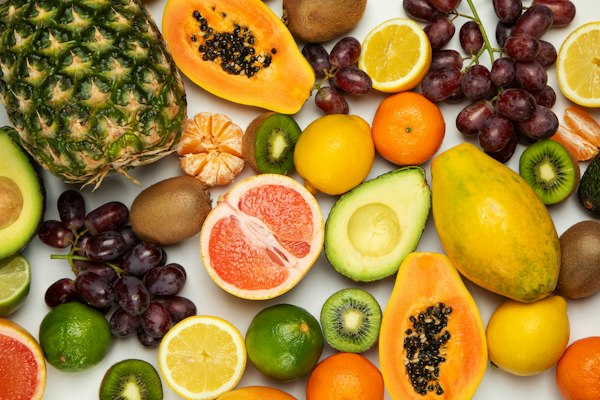
Weekly Harvest Box
This is our most popular option. Each week, you receive a curated selection of whatever is at peak ripeness. Contents vary with the season—expect abundant greens and radishes in spring, tomatoes and cucumbers in summer, squash and root vegetables in fall, hearty brassicas in winter.
We pick on Thursday evenings and Friday mornings. Delivery happens Friday afternoons or Saturday mornings, depending on your location. Everything arrives within 24 hours of leaving the ground.
$47.50 NZD per week
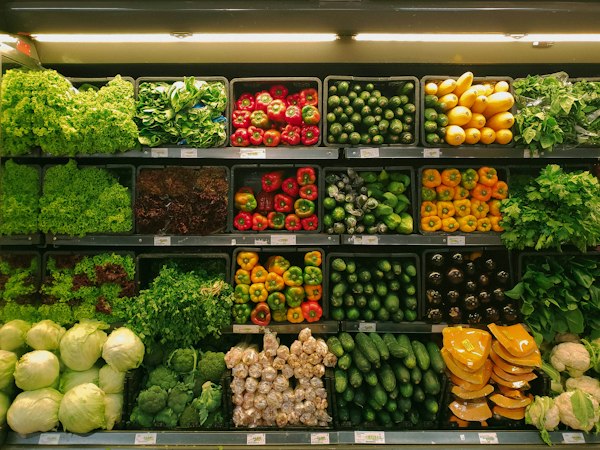
Bi-Weekly Farm Share
For those who prefer larger quantities and less frequent deliveries, this option provides approximately double the volume of the weekly box, delivered every two weeks. Ideal for families, serious home cooks, or people who like to meal prep in batches.
The share includes more storage-friendly items like potatoes, onions, and winter squash alongside the fresh greens and delicate produce. You'll also get priority access to preserved goods like jams and pickles when available.
$82.75 NZD per delivery
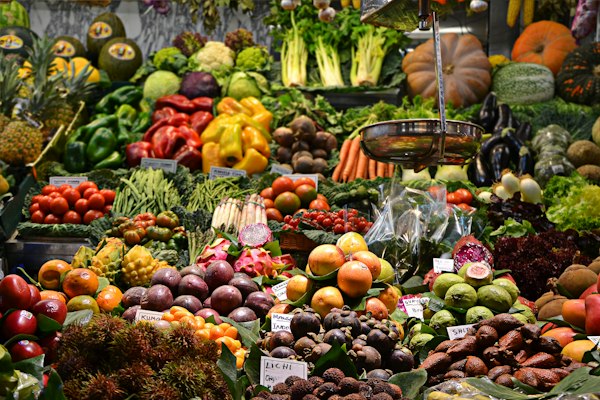
Market Stall Access
We set up at the Riverside Market every Saturday from 7am to noon. This membership gives you a reserved picking slot between 7:00 and 7:30am, before the general public arrives. You select exactly what you want from the full range of available produce.
Members also receive a 15% discount on all purchases and first access to limited-availability items like heirloom tomatoes or specialty greens. No delivery—you come to us—but you get complete control over what goes home.
$65.00 NZD per month
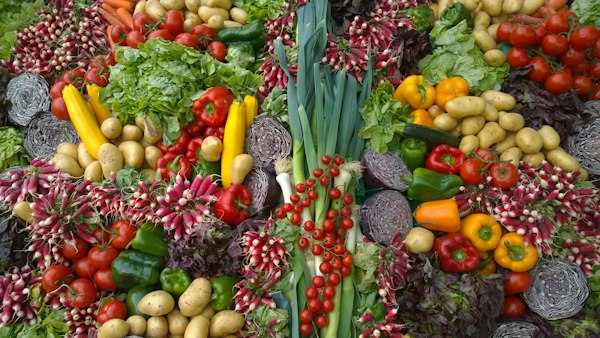
Specialty Produce Program
For people who want to explore unusual varieties and harder-to-find crops. This monthly program gives you access to things that never make it into standard boxes: micro-greens, edible flowers, heirloom vegetables, foraged items like wild mushrooms and nettle tips.
Each month's selection is different and somewhat unpredictable—we're at the mercy of what decides to thrive. You'll receive a mix of specialty items plus a small selection of staple produce. Consider this the experimental option.
$93.25 NZD per month
Restaurant Partnership
We work with a small number of cafes and restaurants who want reliable access to premium local produce. This isn't a full wholesale operation—we can't supply everything you need—but we can provide consistent quantities of seasonal vegetables and specialty items.
Partnerships include advance notice of upcoming harvests, the ability to request specific items when possible, and flexible delivery scheduling. Minimum order value applies, but pricing is volume-based and competitive.
$385.00 NZD minimum order
Get Started
Select a service above, then fill in your details to begin your first delivery or membership.
What to Expect
All services are flexible. You can pause deliveries when you're away, adjust your subscription level, or cancel without penalty. We operate on trust rather than contracts because we'd rather have willing participants than reluctant subscribers.
Produce quality varies with the season—winter greens are tougher and more mineral-rich than summer ones, stone fruit has a brief window of perfection, root vegetables improve with cold storage. We'll always communicate what's coming and why it matters.