Where Food Remembers Its Origin
The taste of something grown with care, harvested at the right moment, and brought to your table within hours—not weeks.
The Problem With Distance
Most produce travels an average of 2,400 kilometers before reaching your kitchen. During that journey, it loses not just freshness, but the very nutrients you're seeking. Tomatoes picked green, stored in warehouses, artificially ripened—they may look similar, but something essential is missing.
We started noticing this years ago. The strawberries that tasted like water. The lettuce that wilted within a day. The disconnect between what we were told was "fresh" and what our senses told us was true.
A Different Approach
What if you could taste a carrot the same day it left the soil? What if the greens in your salad were still holding morning dew when they arrived at your door?
This isn't nostalgia. It's a return to what food is supposed to be: alive, vibrant, and connected to the place it came from. Our farm operates on a simple principle: we grow what the season offers, we harvest only when ready, and we deliver while it still remembers the earth.
See what's growing this week"I thought I knew what a tomato tasted like. Then I tried one from Orchard Robin, and I realized I'd been eating shadows for years. The difference is staggering." — Margaret T., Wellington
How We Work With Nature
Industrial farming treats soil as a substrate—something to hold plants upright while chemicals do the work. We see it differently. Healthy soil is a living ecosystem, and when you nurture it properly, the plants respond with deeper flavor, higher nutrient density, and natural pest resistance.
Our methods include crop rotation, companion planting, and compost-based nutrition. We avoid synthetic pesticides entirely [1]. The result: food that may support better health outcomes while tasting remarkably better [2].
The Seasonal Truth
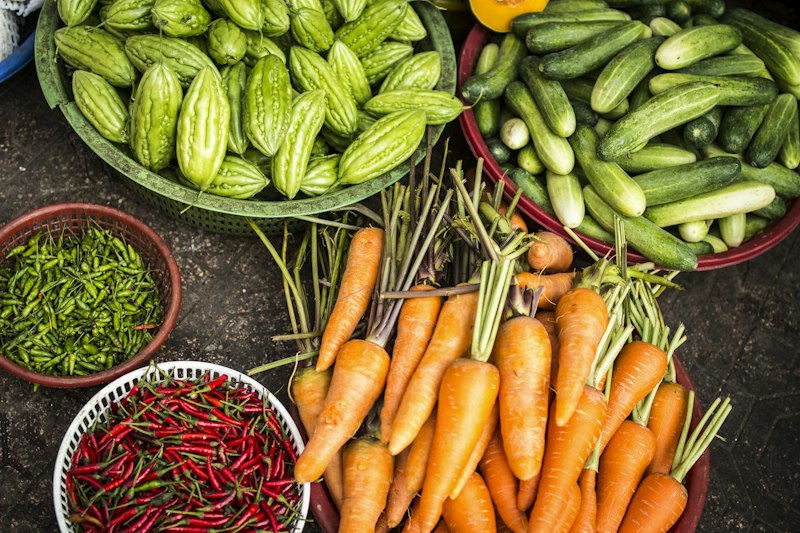
In summer, we're overwhelmed with tomatoes, cucumbers, and stone fruit. In winter, we shift to hearty greens, root vegetables, and storage crops. This rhythm might seem inconvenient in an age where you can buy strawberries in December, but there's wisdom in it.
Seasonal eating aligns with what your body actually needs. Winter vegetables tend to be richer in minerals and storage sugars—perfect for cold-weather metabolism. Summer produce offers hydration and quick energy. It's not restriction; it's optimization.
How You Can Join This System
We offer several ways to access farm-fresh produce, depending on your needs and preferences. Each option is designed to minimize waste, maximize freshness, and support regenerative agriculture practices.
Weekly Harvest Box
A curated selection of what's ripe and ready. Contents change with the season, always picked within 24 hours of delivery.
$47.50 NZD per week
Bi-Weekly Farm Share
Larger quantities delivered every two weeks. Perfect for families or those who prefer to stock up and meal plan in advance.
$82.75 NZD per delivery
Market Stall Access
Priority access to our Saturday market stall with reserved picking slots. You choose exactly what you want each week.
$65.00 NZD per month
Specialty Produce Program
Access to heirloom varieties, micro-greens, and unusual crops that don't make it to standard boxes. For adventurous eaters.
$93.25 NZD per month
Restaurant Partnership
Wholesale arrangements for cafes and restaurants who want consistent access to premium local produce.
$385.00 NZD minimum order
"We switched our entire restaurant supply to Orchard Robin six months ago. Our customers notice. The flavors are cleaner, the waste is lower, and we can finally tell the story of where our food comes from without feeling like we're stretching the truth." — David K., Chef & Owner, Queenstown
Start Your First Delivery
Fill in your details below, and we'll get your first harvest scheduled. No long-term contracts, no hidden fees—just food the way it should be.
What You're Actually Supporting
When you choose local, seasonal food, you're doing more than improving your own meals. You're supporting soil regeneration, reducing transport emissions, and keeping agricultural knowledge alive in your community.
Industrial food systems optimize for shelf life and visual uniformity. We optimize for nutrition and taste. Those priorities create different outcomes, and you'll notice the difference immediately.
Important Notice: The information provided on this site is for general purposes and should not replace professional dietary advice. Individual results may vary. While we believe strongly in the benefits of fresh, locally grown produce, we're not making medical claims. Please consult with a qualified nutritionist or healthcare provider for specific dietary recommendations.